As Indian food manufacturers increasingly look to combine higher production speeds with tighter quality control, Mettler Toledo is focusing on smarter inspection and weighing technologies that connect food safety with production efficiency. Speaking to Food – Drink & Innovations, Siddarth Kachroo, Head of Sales – Product Inspection India, Mettler Toledo, highlighted the role of automated checkweighing, metal detection, x-ray and data management in reducing giveaway, waste and false rejects. He pointed to technologies including FlashCell™ EMFR, the high-speed C35 checkweigher, M50 R-Series metal detector with AI-enhanced capabilities and the X56 DXD+ dual-energy x-ray system. With connected platforms such as ProdX™ providing greater visibility into inspection and production data, Kachroo said the industry is moving towards more automated, connected and data-driven quality systems that can strengthen food safety, traceability, compliance and overall operational efficiency.
Brief us about Mettler Toledo’s operations and market presence in India, particularly its range of weighing, inspection, analytical, and other solutions for the food and beverage industry?
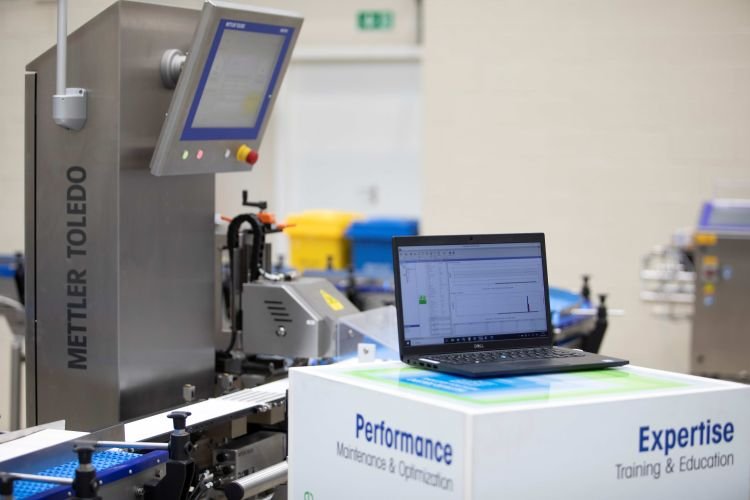
India is a key growth market for Mettler Toledo, particularly as food and beverage manufacturers have a need for greater automation, higher throughput and tighter quality control. We support manufacturers across the production process, from laboratory and analytical solutions through to industrial weighing. Our product inspection portfolio includes checkweighing, metal detection, x-ray inspection, label inspection and combination inspection systems, supported by data management software ProdX™ for helping improve traceability and production visibility plus facilitate compliance more easily in the food industry.
The strength of our offer is its extensiveness. Different products, packaging formats and production environments require different technologies, so the focus is always on matching the right solution to the application to deliver a fit-for-purpose solution to our customers. In India, customers also benefit from our global engineering, application and industry expertise alongside local sales, service and technical support. This allows us to work with manufacturers at every stage of automation, from first-time adopters to major high-volume producers.
With strong competition in India’s food and beverage technology market, what are the key factors that differentiate Mettler Toledo from other players, and how does the company maintain its competitive edge?
Our key differentiator is that we start with the manufacturing challenge, not the machine. The breadth of our portfolio means we can work with manufacturers to understand the product, application, production environment and risk before recommending the most appropriate technology for their needs. This is backed by extensive application expertise and product testing, as well as global technology development combined with strong local service support in India.
Service is an important differentiator. Our “Inspect. Protect. Comply”. approach goes beyond the initial equipment purchase, covering specification and installation through to training, performance verification, preventative maintenance and data management. This combination of technology, application knowledge and lifecycle support is central to our competitive edge. It means we are not simply supplying inspection equipment. We are helping manufacturers maintain performance, productivity and compliance over the long term.
Accuracy is particularly important in high-volume food production. How can advanced weighing and inspection systems help manufacturers control product giveaway, reduce rejects, and improve overall production profitability?
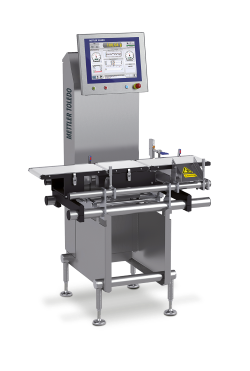
In high-volume production, even a fraction of a gram can have a significant financial impact when multiplied across millions of packs. Intelligent, dynamic checkweighing gives manufacturers much tighter control over fill levels and pack weights, helping them reduce product giveaway while continuing to meet regulatory requirements. The FlashCell™ EMFR weighing technology from Mettler Toledo combines high-speed weighing with high levels of precision, with systems such as the C35 checkweigher capable of inspecting more than 800 packs per minute.
Advanced contamination detection technology, such as metal detection and x-ray inspection, can also help reduce unnecessary rejects by distinguishing more effectively between genuine contamination or defects and acceptable product. That means less good product is removed from the line.
The commercial impact can be considerable: lower product giveaway, fewer false rejects, less rework and waste, and higher throughput. At scale, relatively small improvements in accuracy and process control can translate into substantial savings and stronger production profitability.
Beyond detecting defects, how can inspection and weighing data be used to identify process problems early and help manufacturers make better production decisions?
The real opportunity is to use inspection equipment not simply as a pass-or-fail checkpoint, but as a source of actionable production data. Modern checkweighers and inspection systems continuously generate information on weight trends, rejects, faults and line performance. A gradual shift in average pack weight, for example, can indicate that a filling process is beginning to drift before it creates significant giveaway or large numbers of rejected packs.
ProdX™ brings data from connected inspection systems together centrally, giving manufacturers visibility across individual lines, production areas or multiple sites. This makes it easier to spot trends, investigate recurring issues and access the records needed for traceability and compliance.
The result is earlier intervention and better-informed decision-making. Over time, manufacturers can also use this data to identify where waste is being created, where processes are losing efficiency and where improvements can be made.
As food manufacturers move towards zero-defect production, where do you see the biggest gaps in quality control today, and how can Mettler Toledo’s solutions help manufacturers overcome these challenges?
One of the biggest gaps is still fragmented quality control. A manufacturer may have strong individual systems, but if inspection points operate in isolation, data is not being used effectively or too many checks depend on manual intervention, there is still room for problems to be missed.
Moving closer to zero-defect production requires a more joined-up approach. That means putting the right inspection technology at the right critical control points, supported by robust testing, performance verification and consistent processes.
It also requires manufacturers to look beyond individual machines. Checkweighing, metal detection, x-ray and combination inspection systems can each address different risks, but the strongest quality control strategy considers how those technologies work together across the line.
Zero-defect production will not come from one piece of equipment. It comes from combining the right inspection technologies with automation, strong processes and effective lifecycle support to reduce variation and catch problems as early as possible.
What new technologies, product launches, or innovations can the Indian food and beverage industry expect from Mettler Toledo, and which emerging applications do you see driving future growth?
Some of the biggest advances are coming from smarter detection technology, more sophisticated x-ray systems and inspection solutions designed for a wider range of manufacturers and applications.
In metal detection, the M50 R-Series introduces a range of innovative technologies designed to increase detection sensitivity, enhance product safety and maximise uptime. Features such as eDrive PLUS, combined with 900 kHz frequency technology, and 3S PLUS algorithms enhanced by AI-based machine learning deliver maximum detection sensitivity, helping manufacturers minimise the risk of product recalls and produce safer products. These capabilities improve detection accuracy, reduce false rejects and provide greater confidence in detecting metal contaminants in demanding production environments. To further maximise uptime and simplify operations, the system features a 10.1-inch capacitive touchscreen that offers smartphone-like responsiveness, even when operated with gloves or under wet conditions. RFID (Radio-frequency Identification) enables secure individual user logins and access management, while the INFINITY Electronic Test System automates performance monitoring and testing routines, representing a significant advancement in routine testing processes.
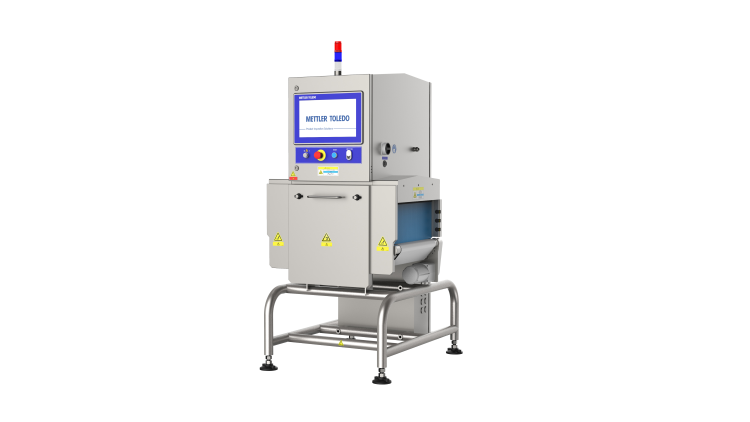
In x-ray inspection, the X56 DXD+ represents another significant step forward. Its dual energy photon-counting x-ray technology can analyse differences in material composition, helping manufacturers detect hard-to-find contaminants in overlapping or noisy products that conventional x-ray technologies may struggle to identify.
Innovation is also about making advanced inspection more accessible. AI integration within x-ray technology helps to improve the reliability of quality inspection tasks while reducing unnecessary product rejection. This is beneficial to overcoming inspection challenges in complex scenarios like overlapping or mixed products thereby contributing to improved production process efficiencies.
Looking ahead, we expect growth to be driven by greater automation, more connected production environments and demand for inspection technologies that can handle increasingly complex products, packaging formats and production conditions. Manufacturers want better detection, greater efficiency and more useful data from their equipment, and that will continue to shape the next generation of inspection technology.