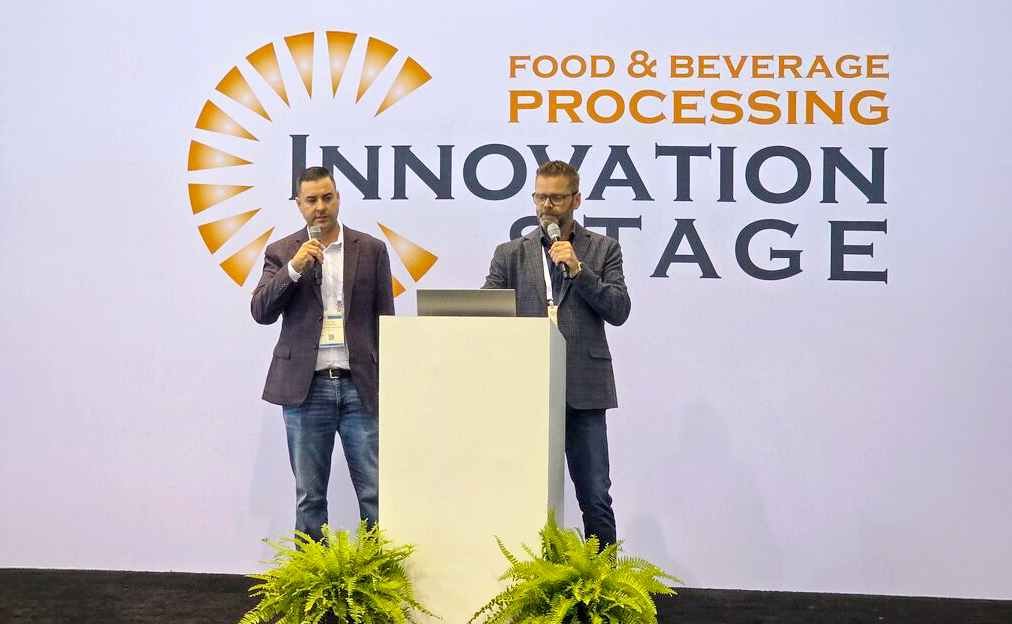
PACK EXPO International 2026 presentation highlights how the Drainage Evaluation Program connects sanitation needs with capital planning and phased infrastructure improvements.
FoodSafe Drains, a division of Global Drain Technologies and leading provider of hygienic drainage solutions, highlighted its comprehensive Drainage Evaluation Program during a presentation at PACK EXPO International 2026, outlining how food and beverage processors can move from recurring repairs to proactive infrastructure planning. The engineering-led program helps facilities identify underlying drainage problems, prioritize investments, and coordinate improvements around sanitation needs and production requirements.”
Deteriorated drains, recurring blockages, and standing water may be treated as isolated maintenance problems when the underlying issues involve installation, floor integration, underground piping, or layouts that no longer support current operations. The presenters emphasized that drainage is integral to sanitation and plant performance, requiring a system-wide approach rather than repeatedly addressing visible symptoms.
“Drainage deserves the same attention as the production equipment it supports,” said Viking Kristjansson, Vice President of Sales Engineering & Partner Development at Global Drain Technologies. “When a facility is repeatedly working around standing water, damaged drains, or difficult cleaning access, the goal should be more than another temporary fix. Processors need to understand the underlying conditions and have a practical plan for addressing them within their production and capital priorities.”
FoodSafe Drains executes the Drainage Evaluation Program through Global Drain Technologies engineering teams working directly with customers and, when appropriate, GDT Alliance Partners. Assessments examine drain types, installation methods, maintenance practices, and related processes. Depending on facility needs, the scope can extend to flooring, underground piping, and below-grade scanning.
Joining Kristjansson was Kolton Wagaman, Vice President of Operations for Dean Snyder Construction, who contributed the construction perspective on drainage improvements in operating food plants. Wagaman described equipment-upgrade projects in which slab removal exposed deteriorated underground drainage, expanding the planned scope. His examples underscored the importance of investigating existing conditions before entering a limited shutdown window.
The speakers also discussed equipment obstructing drain-cleaning access and sanitation activities occurring far from available drainage, illustrating how infrastructure can become disconnected from the processes it serves as facilities evolve.
The Drainage Evaluation Program begins with screening and scope development, followed by discovery that reviews technical documentation, standard operating procedures, and input from plant personnel. On-site assessments document existing conditions, while collaboration among engineering, operations, maintenance, sanitation, and construction personnel helps identify information gaps and operational requirements.
Findings inform a detailed report with recommendations, budgetary guidance, and implementation options, giving facilities a documented basis for capital-expenditure decisions. Improvements can be organized into three tiers: near-term work completed around ongoing production; repairs coordinated with planned shutdowns; and larger infrastructure renovations requiring extensive sequencing, potentially including slab removal or temporary equipment relocation.
For ongoing oversight, FoodSafe Drains offers an annual Evaluation Plan that builds on the initial report. Reassessment provides an opportunity to review completed improvements, identify changing conditions, and consider cleaning time, production downtime, and sanitation results when setting future priorities. Evaluations are tailored to individual facilities, with multi-site assessments available to support consistent documentation and planning across a facility network.
For more information, visit foodsafedrains.com/drainage-