Table of Contents
Modern consumers, especially Gen Z, make purchasing decisions based on their personal values. They view food choices as an extension of their personal identity and social values. And when it comes to choosing food brands, they prioritize those whose packaging reflects proven sustainability, digital aesthetic appeal, and convenience.
For modern customers, food packaging is no longer just a protective shell, but a “silent salesperson”. Gen Z is drawn to unboxing trends that pop on social media feeds like TikTok and Instagram.
Here are the 5 most popular packaging trends that turn your ordinary food items into a memorable shareable experience:
1. Printed Paper Wraps Put Foodies in a Good Mood
Printed paper wraps satisfy the generation’s demand for eco-conscious materials. If you choose custom printed kraft packaging for your food wraps, it provides a tactile experience. Also, Kraft wraps serve as photogenic backdrops for social media posts, boosting your brand recall.
This is because Gen Z relies on visual platforms like TikTok and Instagram. Custom, visually appealing kraft wraps often feature retro designs, minimalist typography, or bold artwork. As a result, they turn your basic meal into an Instagrammable moment.
While heavily digital, Gen Z craves unfiltered, offline experiences. The texture, feel, and look of printed, nature-inspired kraft paper provide a crafted, artisan feel that mass-produced plastic cannot match.
For example, Chipotle Mexican Grill is popular for their distinct burritos wrapped in rustic and aesthetically designed Kraft and wax-coated papers. Their Kraft wrapping emphasizes their natural ingredient focus, which modern consumers appreciate.
2. Luxury Food Boxes of Crunch, Ready to Munch
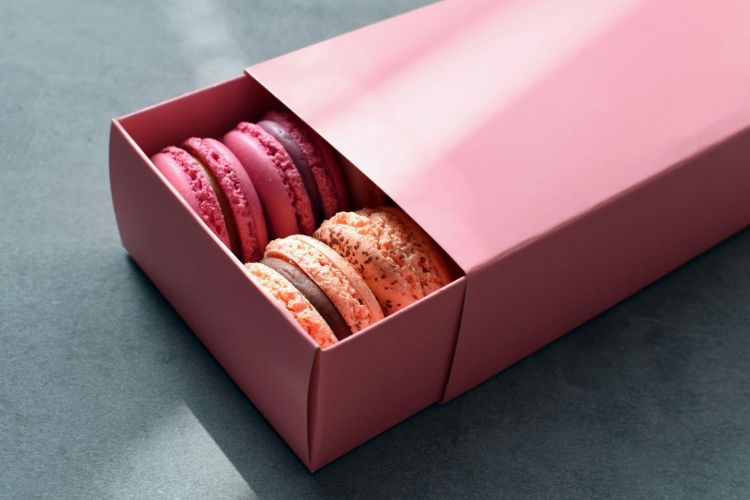
Since modern era consumers embrace a “save and splurge” mindset, upgrade your packaging with premium rigid boxes for your food items. These luxurious boxes satisfy customers’ cravings for status and emotional reward while offering practicality, reusability, and value.
Rigid boxes have premium, stiff structures like matte-finish magnetic gift boxes or custom-fitted inserts. As a result, they trigger the psychological “halo effect,” where the high quality of the box instantly boosts the perceived gourmet value of your food inside.
Because modern consumers associate quality packaging with safety. Even when purchasing budget-friendly or daily meals, a rigid box guarantees the food arrives intact. It also eliminates the risk of crushed, leaked, or spilled food.
Also, rigid boxes offer excellent utility. That’s why consumers often save these heavy-duty containers for home organization, food storage, or on-the-go meal prep. Doing so satisfies their desire for long-term functional value and sustainability.
Take inspiration from Godiva, which is globally famous for their gourmet truffles and artisanal chocolate assortments. They utilize multi-tiered and beautifully branded rigid boxes to solidify their luxury status.
3. Tin Containers That Make Customers Love at First Unboxing
No-brainer, Gen Z values highly visual and tactile designs. That’s where unique metal tins win the hearts of the savvy generation. Tin containers are becoming exceptionally photogenic for social media platforms like TikTok and Instagram. They are driving impulse purchases.
Apart from being tactically appealing, tin containers are one of the most high-end sturdy packaging options. Unlike fragile glass or easily-crushed cardboard, tins deliver delicate items like chocolates or coffee in pristine condition during shipping.
Their air-tight sealing with the rigid nature of metal prevents your items from being crushed or deformed. Likewise, tin containers stop liquids and semi-liquids from spilling, making it a dependable option for both dry goods and volatile substances.
Tinplate is also highly resistant to corrosion, rust, and everyday wear. It means if you choose tin containers for packing your food items, they remain in pristine condition over time without causing any food contamination.
Talking about an example, Fortnum and Mason stand out. The brand is popular for its luxury gourmet tea caddies and decorative biscuit tins often featuring scenes of London. Their packaging appeals strongly to young buyers who crave unique aesthetics in a digitally saturated world.
4. Smart Packaging Let Customers See Freshness and Trust the Seal
Gen Z is a digitally native generation that refuses to take company claims at face value. They want food businesses like yours to prove whether your product is truly fresh, organic, fair-trade, or locally sourced.
Following this, you must resolve their concerns. That’s where smart packaging jumps in. QR codes or NFC chips allow shoppers to scan and instantly view the entire supply chain. By utilizing these smart features, your customers visually verify freshness and confirm their purchase has not been tampered with. They build immediate buyer trust in your brand.
Also, smart packaging can extend food shelf life. It features visual indicators that communicate precisely when food is spoiling, directly aligning with Gen Z’s strong aversion to food waste. Clear, trackable metrics embedded in smart packaging provide carbon footprints that make food brands accountable and earn Gen Z loyalty.
By embedding technologies like QR codes and NFC, Coca-Cola transforms standard bottles and cans into interactive media platforms. Customers can scan on-pack QR codes to access digital hubs, build personalized videos, and unlock exclusive promotional content.
5. Plant-Based Packaging That Eat Smart, Waste Less
Over 70% of Gen Z is willing to spend more on products that support their environmental values. The eco-savvy generation views food as a form of lifestyle medicine. So, food packaging made from natural, plant-based materials reinforces their perception.
If you sell your food items in plant-based materials, Gen Z buyers perceive your food inside is clean, wholesome, and free from artificial additives or heavy processing. To take the best advantage of this changing customer behavior, use natural textures and earthy colors. Choosing these designs appeals to the buyer’s sensory experience and looks good on social media.
As consumers who value on-the-go convenience, younger diners heavily penalize wasteful packaging. Compostable or biodegradable materials provide the ease of disposable food options without the accompanying landfill guilt.
Consider Jollibee Foods Corporation, which began shifting away from single-use plastics to certified biodegradable and plant-based materials for its meals.
Wrap Up!
Rather than just holding food, your packaging should act as a tangible reflection of the buyer’s personal values and social status. Adopt any one of the above-mentioned food packaging trends to make modern foodies your loyal brand advocates.