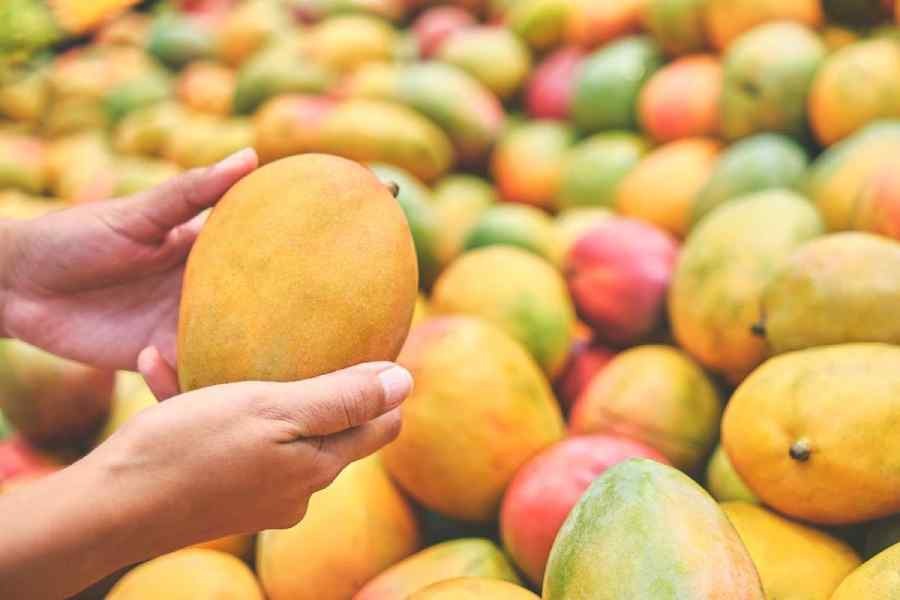
In a significant move to safeguard consumer health and ensure food safety, the Food Safety and Standards Authority of India (FSSAI) has directed all States and Union Territories to step up inspections and conduct targeted enforcement drives against the illegal use of non-permitted fruit ripening agents and synthetic colours or wax coatings on fruits.
The Commissioners of Food Safety across all States and UTs, along with FSSAI’s Regional Directors, have been instructed to maintain heightened vigilance over fruit markets and wholesale mandis. Special focus is being placed on identifying and curbing the unlawful use of calcium carbide—commonly referred to as ‘masala’—for artificial ripening of fruits. Authorities have been advised to inspect go-downs and storage facilities, particularly those suspected of using such substances.
The presence of calcium carbide on-site, especially if stored alongside crates of fruits, will be treated as circumstantial evidence of malpractice. This could result in prosecution under the Food Safety and Standards (FSS) Act, 2006. The use of calcium carbide is explicitly banned under the Food Safety and Standards (Prohibition and Restrictions on Sales) Regulations, 2011, due to its severe health hazards. Exposure to calcium carbide can lead to mouth ulcers, gastrointestinal irritation, and has potential carcinogenic effects.
Additionally, the FSSAI has flagged rising cases of misuse of ethephon solution—used improperly by directly dipping bananas and other fruits—to artificially induce ripening. In response, the Authority has released a comprehensive guidance document titled “Artificial Ripening of Fruits – Ethylene Gas: A Safe Fruit Ripener.”
This guidance outlines that ethephon should only be used as a source to release ethylene gas and strictly in accordance with the Standard Operating Procedures (SOP) provided. These SOPs cover critical elements such as permitted methods, specifications for ripening chambers, handling guidelines, post-treatment care, and safety measures. The document emphasizes responsible and safe use of ethylene gas for ripening fruits to ensure they meet food safety standards.
FSSAI has reaffirmed that any violation of these norms will attract stringent penal action under the FSS Act, 2006. The Authority urges all Food Business Operators (FBOs) to comply with the stipulated guidelines and ensure that fruits sold in the market are ripened using safe, legal, and approved methods.
Consumers and stakeholders across the supply chain are encouraged to remain vigilant and report any suspicious practices. FSSAI remains committed to ensuring that only safe and high-quality fruits reach Indian households.