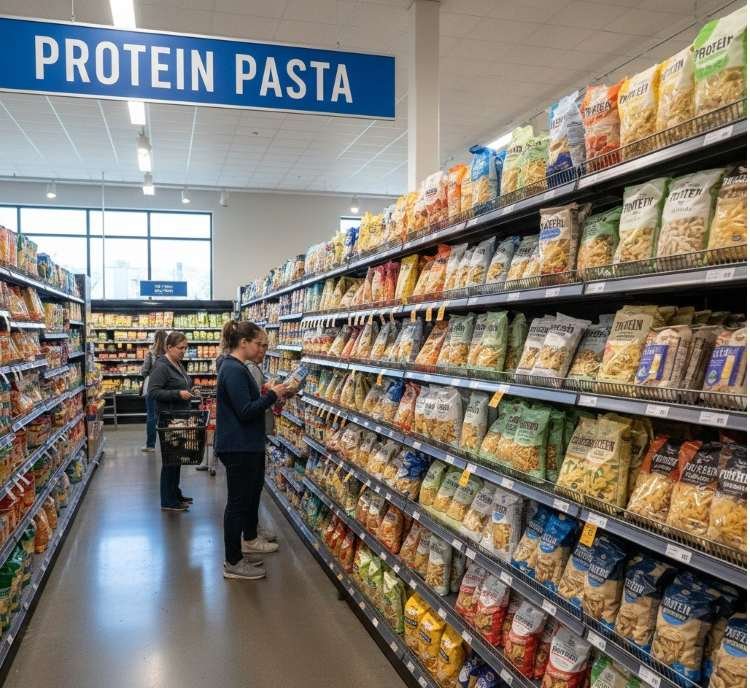
Protein Pasta Market To Reach $3.4 billion by 2033
Market Summary:-
According to our latest research, the Global Protein Pasta Market size was valued at $1.2 billion in 2024 and is projected to reach $3.4 billion by 2033, expanding at a robust CAGR of 12.1% during the forecast period of 2025–2033. One of the primary factors fueling the growth of the protein pasta market globally is the rising consumer awareness regarding health and wellness, which is driving demand for functional foods with enhanced nutritional profiles. As consumers seek alternatives to traditional pasta that offer higher protein content, the market is witnessing significant innovation and diversification, further supported by the increasing prevalence of fitness-conscious lifestyles and dietary shifts towards plant-based and high-protein diets.
Introduction: When Pasta Meets Purpose
Pasta has always been close to Turkish kitchens—whether served alongside rich sauces, blended with vegetables, or enjoyed as a comforting meal. Today, however, pasta is undergoing a nutritional transformation. The Protein Pasta Market represents a new chapter where taste, health, and functionality converge. This is not merely a trend; it is a reflection of how Turkish consumers are rethinking food—seeking strength, balance, and longevity on their plates.
Protein pasta is reshaping how carbohydrates are perceived, turning a traditionally energy-based food into a muscle-supporting, wellness-driven staple.
Understanding Protein Pasta: More Than Just High-Protein Food
Protein pasta is crafted by blending or replacing refined wheat flour with protein-rich ingredients such as legumes, chickpeas, lentils, soy, pea protein, quinoa, or fortified wheat. The result is a pasta that delivers:
- Higher protein per serving
- Lower glycaemic response
- Improved satiety
- Enhanced nutritional density
For Turkish consumers, this aligns well with the cultural preference for hearty, filling meals that still respect health and moderation.
Why Protein Pasta Is Gaining Momentum in Turkey
1. A Growing Health-Conscious Population
Urban Turkish consumers, especially in cities like Istanbul, Ankara, and Izmir, are becoming increasingly aware of the link between diet and long-term health. Rising concerns about obesity, diabetes, and cardiovascular health are pushing households toward functional foods rather than empty calories.
Protein pasta fits naturally into this shift—it allows families to enjoy familiar dishes while making smarter nutritional choices.
2. The Rise of Fitness, Sports, and Active Lifestyles
Turkey has witnessed a visible rise in gyms, sports clubs, and outdoor fitness culture. Athletes, bodybuilders, and even casual fitness enthusiasts are actively searching for protein-rich alternatives that do not rely solely on meat or supplements.
Protein pasta offers a convenient, culturally acceptable solution—ideal for post-workout meals or balanced daily nutrition.
3. Cultural Acceptance Through Familiarity
Unlike many health foods that feel “foreign,” pasta already holds a place in Turkish cuisine. Protein-enhanced versions do not demand drastic dietary changes. This familiarity lowers adoption barriers and encourages experimentation across age groups—from young professionals to middle-aged families.
Key Ingredients Shaping the Protein Pasta Market
Legume-Based Innovations
Chickpeas and lentils are deeply rooted in Turkish culinary traditions. Protein pasta made from these ingredients resonates strongly with local tastes while delivering plant-based protein and fiber.
Wheat-Protein Hybrids
Instead of eliminating wheat, some producers enhance it with additional protein, maintaining traditional texture while improving nutrition. This approach appeals to consumers who prefer classic pasta mouthfeel.
Plant-Based Protein Blends
Pea and soy protein blends are gaining traction due to their neutral taste and high protein density, making them suitable for both savory and light recipes.
Consumer Segments Driving Market Growth
Health-Focused Families
Parents are increasingly attentive to what their children consume. Protein pasta is being perceived as a smart upgrade rather than a compromise.
Athletes and Fitness Enthusiasts
This group values precise nutritional content, protein ratios, and performance benefits, pushing demand for clearly labeled, high-protein variants.
Flexitarian and Plant-Based Consumers
Turkey’s flexitarian population—those reducing meat without eliminating it—is growing. Protein pasta aligns perfectly with this balanced philosophy.
Retail and Distribution Evolution in Turkey
Protein pasta is moving beyond specialty health stores into:
- Modern supermarkets
- Online grocery platforms
- Fitness-focused retail chains
E-commerce, in particular, is playing a major role in educating consumers through detailed product descriptions, nutritional comparisons, and reviews.
Challenges Facing the Protein Pasta Market
Taste Expectations
Turkish consumers have strong expectations when it comes to texture and flavor. Any deviation from traditional pasta can impact repeat purchases.
Price Sensitivity
Protein pasta often comes at a premium. Market success depends on balancing affordability with perceived value, especially for middle-income households.
Awareness and Education
Many consumers still associate pasta strictly with carbohydrates. Educating the market on protein pasta’s functional benefits remains crucial.
Innovation Trends Shaping the Future
Clean Label and Natural Formulations
Shoppers are paying close attention to ingredient lists. Products with minimal processing and recognizable ingredients are gaining trust.
Localized Flavors and Pairings
Producers experimenting with Anatolian herbs, spices, or regionally inspired pairings can create strong emotional and cultural connections.
Functional Enhancements
Future protein pasta may include added fiber, minerals, or digestive-support ingredients, positioning it as a complete wellness meal base.
Competitive Landscape
- Barilla Group
- Banza LLC
- Tolerant Foods
- Explore Cuisine
- ZENB
- Chickapea Pasta
- Ronzoni (Ebro Foods)
- GoodWheat (Arcadia Biosciences)
- The Kraft Heinz Company
- Jovial Foods Inc.
- De Cecco
- Ancient Harvest
- Cybele’s Free to Eat
- Pastificio Lucio Garofalo S.p.A.
- Dreamfields Foods
- Eat Banza
- Lensi Pasta
- Modern Table Meals
- NutriPasta
- Pedon Group
Future Outlook: A Strong, Sustainable Path Ahead
The Protein Pasta Market in Turkey is moving from novelty to necessity. As consumers seek foods that deliver nutrition without sacrifice, protein pasta is well-positioned to become a mainstream pantry item.
Its success will depend on innovation that respects tradition while embracing modern science—an approach that resonates deeply with Turkey’s evolving food culture.
Source:- https://researchintelo.com/report/protein-pasta-high-protein-market